

Stop Sign: Everything You Need to Know
A stop sign is one of the most recognizable and important traffic control devices in the world. It instructs drivers to come to a complete stop before proceeding through an intersection, pedestrian crossing, or other controlled location. By reducing vehicle conflicts and improving driver awareness, stop signs play a critical role in preventing accidents and protecting road users.

What is a Stop Sign?
A stop sign is a regulatory traffic sign that requires every driver to make a complete stop at a designated location before continuing.
Unlike warning signs that simply alert drivers to potential hazards, stop signs create a legal obligation to stop regardless of traffic conditions.
Drivers must:
- Come to a complete stop
- Yield to pedestrians
- Yield to cross traffic
- Proceed only when it is safe
Failure to obey a stop sign may result in traffic violations, accidents, or serious injuries.
Why Are Stop Signs Important?
Stop signs provide numerous safety benefits:
- Reduce intersection collisions
- Protect pedestrians and cyclists
- Improve traffic flow at low-volume intersections
- Increase driver awareness
- Control right-of-way
- Enhance safety in school zones
- Reduce property damage
- Improve workplace and industrial traffic safety
Properly installed stop signs significantly decrease severe crashes at uncontrolled intersections.
Standard Shape and Color
One of the reasons stop signs are instantly recognizable is their unique appearance.
Shape
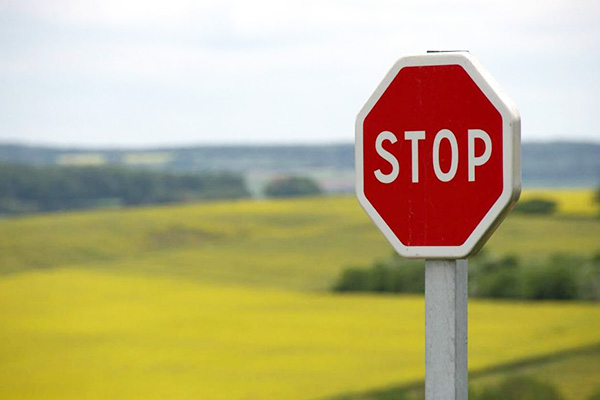
- Unlike most traffic signs, a stop sign has an octagonal (8-sided) shape.
- Drivers can identify it even from the back or under poor visibility conditions.
Color
Standard stop signs feature:
- Red background
- White border
- White uppercase “STOP” lettering
The red color immediately attracts attention and communicates danger or mandatory action.
Common Stop Sign Mistakes
Many accidents and traffic violations happen because drivers misunderstand or ignore stop signs. Common mistakes include:
- Rolling through the stop sign without fully stopping
- Stopping too far into the crosswalk
- Failing to yield to pedestrians
- Assuming another driver will stop
- Not checking for cyclists or motorcycles
- Entering a four-way stop out of turn
These mistakes may seem small, but they can cause serious crashes, especially in residential neighborhoods, school zones, and busy intersections.
Stop Sign Reflective Standards
High-quality stop signs usually comply with international standards such as:
- ASTM
- EN 12899
- ISO standards
- Local transportation authority specifications
Reflective sheeting helps ensure the sign remains visible at night when illuminated by vehicle headlights.

Materials Used for Stop Signs
The durability of a stop sign largely depends on its materials.
1. Aluminum Stop Signs
Aluminum is the most popular material because it offers:
- Rust resistance
- Lightweight construction
- Long service life
- Easy installation
- Excellent corrosion resistance
Typical aluminum thickness ranges from 1.5 mm to 3 mm.
2. Galvanized Steel Stop Signs
Steel signs provide:
- Higher impact resistance
- Increased strength
- Lower material cost
These are often selected for industrial facilities or heavy-duty applications.
3. Reflective Sheeting
High-quality reflective films improve nighttime visibility.
Common grades include:
Diamond Grade reflective sheeting provides the highest visibility and longest lifespan.
Standard Stop Sign Sizes
Different roads require different stop sign dimensions.
Common sizes include:
| Road Type | Typical Size |
|---|---|
| Parking Lots | 450 × 450 mm (18″) |
| Residential Roads | 600 × 600 mm (24″) |
| Urban Streets | 750 × 750 mm (30″) |
| High-Speed Roads | 900 × 900 mm (36″) |
| Highways | 1200 × 1200 mm (48″) |
Custom dimensions are also available depending on local regulations.
Where Are Stop Signs Used?
Stop signs are widely installed in various locations, including:
- Road intersections
- Residential neighborhoods
- School zones
- Parking lots
- Industrial parks
- Warehouses
- Toll stations
- Airports
- Construction sites
- Private communities
- Logistics centers
Businesses also use customized stop signs for internal traffic management.
Stop Sign Installation Guidelines
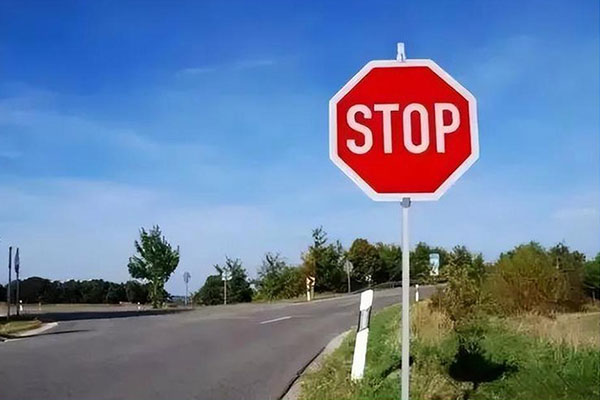
Proper installation ensures maximum visibility and compliance.
Important considerations include:
1. Installation Height
The bottom of the sign should generally be: 1.5–2.1 meters above ground level (depending on local regulations)
2. Placement Distance
Signs should be positioned where drivers have enough stopping distance based on road speed.
3. Orientation
The sign should face approaching traffic directly without obstruction.
4. Visibility
Avoid placing signs behind:
- Trees
- Utility poles
- Advertising boards
- Street lighting equipment
Inspect reflective performance after installation.
Stop Sign Posts
A stop sign requires a strong support system.
Common post options include:
- Round steel posts
- Square steel posts
- U-channel posts
- Galvanized poles
- Aluminum poles
Hot-dip galvanized posts provide excellent corrosion resistance for outdoor environments.
How Long Does a Stop Sign Last?
The lifespan depends on material quality and environmental conditions.
Typical service life:
- Aluminum sign panel: 10–20 years
- Reflective sheeting: 7–12 years
- Galvanized post: 20+ years
Proper maintenance helps maximize durability.

Maintenance Tips
Regular inspection extends service life.
Maintenance should include:
- Cleaning dirt and debris
- Checking reflectivity
- Inspecting mounting hardware
- Tightening loose bolts
- Replacing damaged signs
- Removing vegetation blocking visibility
Routine maintenance ensures continued compliance with traffic safety requirements.
Frequently Asked Questions
Yes. Drivers are legally required to come to a complete stop before proceeding.
A stop sign requires drivers to make a complete stop before proceeding. A yield sign only requires drivers to slow down and give the right-of-way to other road users. If the way is clear, drivers may continue without stopping at a yield sign.
Aluminum with high-quality reflective sheeting offers excellent corrosion resistance and long-term durability.
Yes. Aluminum stop signs are fully recyclable, making them an environmentally friendly choice. Recycling aluminum also helps reduce energy consumption and supports sustainable manufacturing practices.
Yes. Manufacturers can customize dimensions, reflective grades, languages, logos, mounting holes, and back markings to meet project requirements.
Conclusion
The stop sign may be simple, but it is one of the most important tools for keeping roads safe. Whether you are driving through a quiet neighborhood or approaching a busy intersection, stopping fully and checking your surroundings can prevent accidents and save lives.