

Chevron Sign: Meaning, Types, and Benefits
Chevron signs are one of the most effective and widely used traffic safety devices for guiding drivers through hazardous road sections. Whether on sharp curves, highway exits, or construction zones, chevron signs play a critical role in reducing accidents and improving road visibility.
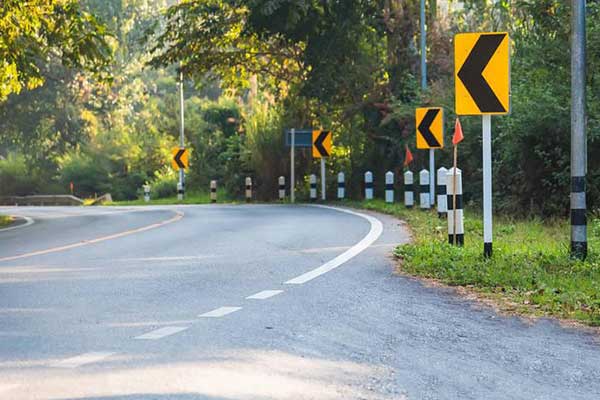
What is a Chevron Sign?
A Chevron Sign is a highly visible traffic safety sign designed to guide drivers through sharp curves, bends, or hazardous road alignments. It typically features a bold arrow or V-shaped pattern (chevron) that points in the direction of the curve, helping drivers anticipate and safely navigate changes in road direction.
Chevron signs are widely used on highways, rural roads, construction zones, and mountainous routes where visibility and directional clarity are critical.
Importance of Chevron Signs in Road Safety
Chevron signs play a crucial role in reducing traffic accidents, especially in high-risk areas. Their benefits include:
- Improved Driver Awareness: Alerts drivers to upcoming sharp turns.
- Enhanced Night Visibility: Reflective materials ensure visibility in low-light conditions.
- Accident Reduction: Helps prevent run-off-road and head-on collisions.
- Traffic Flow Guidance: Provides clear directional cues in complex road layouts.
Types of Chevron Signs
Chevron signs come in several variations based on design, visibility, and application scenarios. Choosing the right type is essential for ensuring optimal road safety and guidance.
1. Single Chevron Sign
A Single Chevron Sign features one directional arrow pointing left or right. It is typically used on moderate curves or bends where basic guidance is sufficient.
2. Double Chevron Sign
A Double Chevron Sign consists of two arrows aligned in the same direction. It provides stronger visual guidance compared to a single chevron.
3. Triple Chevron Sign
A Triple Chevron Sign includes three arrows, offering maximum visual impact. It is designed for dangerous curves or accident-prone areas.
Materials Used in Chevron Signs
Chevron signs are manufactured using durable materials to withstand harsh outdoor conditions:
- Aluminum: Lightweight, rust-resistant, and widely used.
- Plastic (ABS or Polycarbonate): Cost-effective and impact-resistant.
- Reflective Sheeting: Ensures visibility (Engineer Grade, HIP, Diamond Grade).
- Steel: Strong and suitable for heavy-duty applications
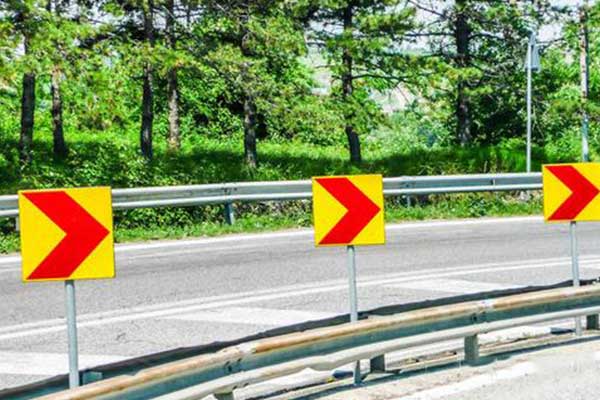
Applications of Chevron Signs
Chevron signs are widely used in various scenarios, including:
- Sharp curves and bends on highways
- Mountain and hillside roads
- Construction and work zones
- Parking areas and private roads
- Bridge approaches and exits
Installation Guidelines for Chevron Signs
Proper installation is essential for effectiveness:
- Install at consistent intervals along curves
- Position at driver eye level for maximum visibility
- Ensure alignment follows the curve direction
- Use strong mounting systems to withstand weather conditions
Chevron Signs vs Other Road Signs
Unlike warning signs that only indicate potential hazards, chevron signs provide continuous directional guidance, making them more effective for navigating sharp curves.
Standard Sizes and Specifications
Chevron signs are typically available in various sizes depending on road type and speed limits:
- 600 × 750 mm
- 750 × 900 mm
- 900 × 1200 mm
Specifications may vary based on regional standards such as MUTCD, EN12899, or local highway regulations.
Conclusion
Chevron signs are essential components of modern road safety systems. Their ability to provide clear, continuous directional guidance makes them indispensable for reducing accidents on curves and hazardous road sections.
FAQs
A chevron sign is used to guide drivers through sharp curves or bends in the road. It provides clear directional information, helping reduce accidents and improve overall road safety.
A curve warning sign alerts drivers before the turn, while a chevron sign is placed along the curve to continuously guide drivers through it.
Yes, most chevron signs use high-intensity reflective materials to ensure visibility at night or in low-light conditions.
Solar LED chevron signs are equipped with solar panels and flashing LED lights. They provide enhanced visibility, especially in high-risk or accident-prone areas.
Spacing depends on the curve radius and road speed. Generally, multiple signs are placed at regular intervals along the curve to provide continuous guidance.
Yes, temporary chevron signs are commonly used in construction zones, roadworks, and traffic diversions.