

Divided Highway Begins Sign and Ends: Meaning, Rules
Road signs play a critical role in keeping traffic safe and organized, especially on high-speed roads. Among them, the “Divided Highway Ends” and “Divided Highway Begins” signs are important warnings that tell drivers how the road layout is changing ahead.
Understanding these signs helps drivers adjust speed, lane position, and attention level—reducing the risk of accidents when road conditions shift unexpectedly.
What is a Divided Highway?
A divided highway is a road where traffic moving in opposite directions is separated by a physical barrier, such as:
- A median strip
- Concrete barriers
- Grass or landscaped dividers
This separation reduces head-on collision risks and allows smoother traffic flow at higher speeds.
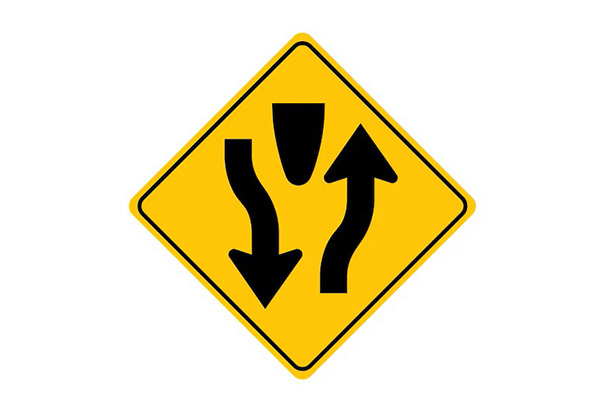
Divided Highway Begins Sign Meaning
The “Divided Highway Begins” sign indicates that drivers are entering a roadway where:
- The road ahead splits into two separate directions
- A median or physical barrier will appear
- Opposing traffic will no longer be directly adjacent
What Drivers Should Do
When you see this sign, you should:
- Stay in your lane and prepare for lane separation
- Adjust speed according to posted limits
- Be aware of new merging or lane-shifting patterns
- Expect clearer directional flow but reduced flexibility for turning
This sign is usually placed before highways, expressways, or major arterial roads.
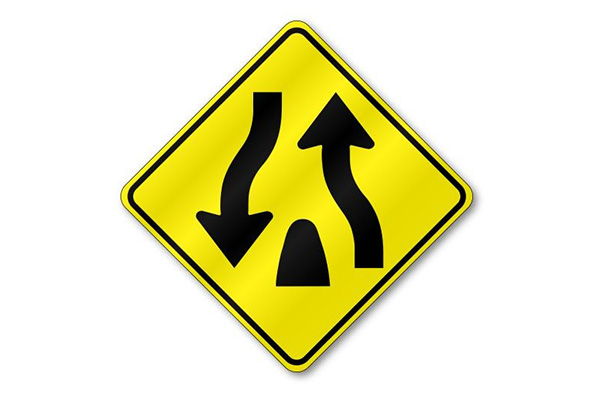
Divided Highway Ends Sign Meaning
The “Divided Highway Ends” sign warns drivers that:
- The physical separation between directions is about to end
- Oncoming traffic will soon be closer
- The road will transition into a standard two-way roadway
What Drivers Should Do
When approaching this sign:
- Reduce speed gradually
- Stay alert for oncoming traffic
- Avoid overtaking unless clearly permitted
- Prepare for narrower road conditions
- Watch for vehicles merging into your lane
This transition zone can be dangerous if drivers are not attentive.
The Material of These Signs
“Divided Highway Begins” and “Divided Highway Ends” signs are usually made from durable outdoor materials to ensure long service life and clear visibility.
- Aluminum sheet: lightweight, rust-resistant, and durable
- Reflective sheeting: improves visibility at night (EG / HIP / Diamond Grade)
- Protective coating: helps resist UV rays, fading, and weather damage
- Galvanized steel posts (optional): provide strong, anti-rust support
Why These Signs Are Important for Road Safety
These two signs are essential because they:
- Prevent Head-On Collisions: They clearly indicate when opposing traffic will or will not be separated.
- Improve Driver Awareness: Drivers can anticipate road layout changes in advance instead of reacting late.
- Reduce Lane Confusion: Especially in unfamiliar areas or rural highways, these signs help guide proper lane discipline.
- Support Smooth Traffic Flow: Proper reaction to these signs prevents sudden braking and lane switching.
Common Locations for These Signs
You will typically find Divided Highway Begins and Divided Highway Ends signs in:
- Highway entry and exit zones
- Rural roads transitioning into expressways
- Urban arterial roads with changing layouts
- Road construction or upgraded highway sections
Driver Tips for Safe Navigation
To drive safely when encountering these signs:
- Always scan far ahead for upcoming road changes
- Avoid distractions, especially on high-speed roads
- Maintain safe following distance
- Follow lane markings carefully
- Be cautious during night driving or bad weather
Conclusion
The Divided Highway Begins and Divided Highway Ends signs are simple but powerful safety tools. They prepare drivers for major changes in road structure, helping prevent confusion and accidents.