

Merging Traffic Signs: Meaning, Rules, and Safety Tips
A merging traffic sign is one of the most important road safety indicators used in highway and urban traffic systems. It warns drivers that two traffic streams are about to combine, requiring attention, speed adjustment, and safe lane coordination. Proper understanding of this sign helps reduce collisions, improve traffic flow, and enhance overall road safety.
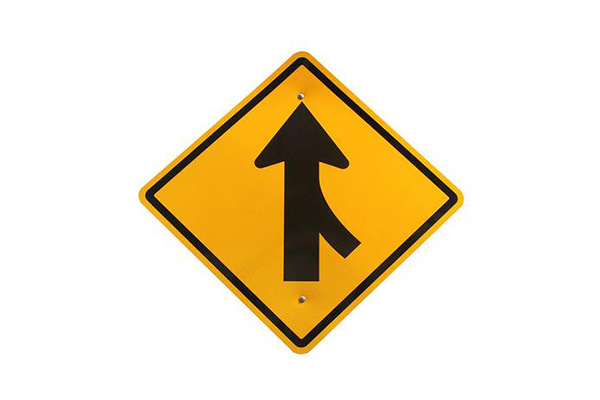
What is a Merging Traffic Sign?
A merging traffic sign is a warning sign that indicates two separate roadways or lanes will soon join into one. Drivers must be prepared to adjust speed and position safely to allow vehicles from both streams to merge smoothly.
Common scenarios include:
- Highway on-ramps
- Lane reductions
- Construction zones
- Road narrowing areas
Common Types of Merging Traffic Signs
1. Lane Merge Signs
These signs indicate that two lanes will become one ahead. Drivers must prepare to safely merge left or right depending on road conditions.
2. Merge Left / Merge Right Signs
These directional signs clearly instruct drivers which lane will end and which direction traffic should shift.
3. Added Lane Signs
Unlike merging, these signs indicate a new lane is joining the roadway. Drivers in the main lane still need to stay alert for incoming traffic.
4. Road Narrows Signs
These warning signs indicate that the roadway is becoming narrower, often forcing vehicles into fewer lanes.
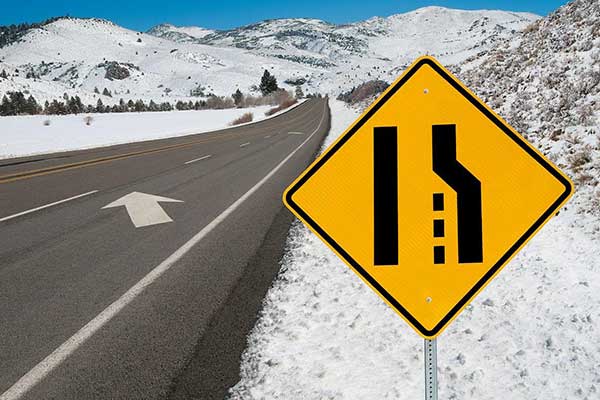
Design Features of Merging Traffic Signs
Merging traffic signs follow strict design rules to ensure instant recognition and universal understanding.
1. Shape and Color
- Typically diamond-shaped (warning signs)
- Yellow or orange background for temporary or construction zones
- Black symbols or arrows for contrast
2. Symbols and Graphics
Most merging signs include:
- Two converging arrows
- One lane tapering into another
- Visual representation of traffic flow direction
3. Placement Standards
Proper placement is essential:
- Posted well in advance of the merge point
- Repeated closer to the merging area in high-speed roads
How Drivers Should Respond to Merging Signs
Proper response to merging traffic signs is essential for preventing accidents:
- Reduce speed early to match surrounding traffic
- Check mirrors and blind spots frequently
- Use turn signals to indicate lane changes
- Yield when required to vehicles already in the lane
- Maintain safe following distance
A key rule in most driving systems is “merge when safe,” meaning cooperation between drivers is essential for smooth traffic flow.
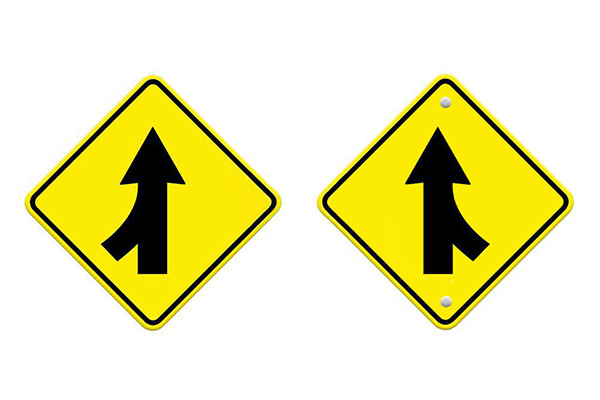
The Role of Merging Signs in Road Safety
Merging areas are statistically high-risk zones for traffic accidents due to sudden lane changes and speed differences. Proper signage helps reduce:
- Rear-end collisions
- Side-impact crashes
- Traffic congestion
- Driver confusion
Best Practices for Safe Merging
To improve safety and traffic efficiency:
- Always anticipate merging zones in advance
- Do not aggressively block merging vehicles
- Take turns when traffic is congested (zipper merging)
- Avoid sudden braking or acceleration
- Stay patient during peak traffic hours
Materials and Manufacturing of Traffic Signs
High-quality merging traffic signs are typically made from:
- Reflective aluminum sheets
- Reflective sheeting
- UV-resistant coatings for outdoor durability
Durability is especially important for highway environments where signs must remain visible in rain, fog, and nighttime conditions.
Conclusion
Merging traffic signs play a vital role in maintaining safe and efficient road networks. They guide drivers through one of the most complex driving situations—combining traffic streams—by providing clear instructions and advance warning.
Whether on highways, city roads, or construction zones, understanding and respecting merging signage improves not only individual safety but also overall traffic efficiency.