

Water Filled Barriers For Road Construction Companies
Road construction projects require reliable traffic control solutions that protect workers, motorists, and pedestrians. Among the most effective temporary traffic management products available today, water filled barriers have become the preferred choice for road construction companies worldwide.
These lightweight yet durable barriers provide excellent visibility, quick deployment, and dependable performance in work zones, highway maintenance projects, municipal road repairs, and emergency traffic diversions.
What Are Water Filled Barriers?
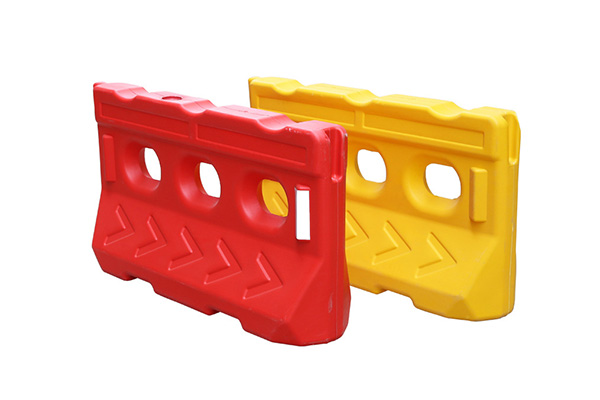
Water filled barriers are temporary traffic safety barriers manufactured from high-density polyethylene (HDPE) using rotational molding technology. They are designed to be lightweight during transportation and installation but become highly stable after being filled with water.
Each barrier features:
- Hollow interior for water filling
- Bright safety colors
- Reflective panel mounting areas
- Interlocking connection system
- UV-resistant construction
- Drain plug for easy emptying
Unlike concrete barriers, water filled barriers are easy to transport, install, relocate, and store.
Why Road Construction Companies Choose Water Filled Barriers
1. Fast Installation
One of the biggest advantages is installation speed.
Workers can:
- Position empty barriers
- Connect them together
- Fill them with water using a hose
Large traffic control zones can be established within hours rather than days.
2. Lower Transportation Costs
Empty barriers weigh only a fraction of concrete barriers.
This allows:
- More units per truck
- Reduced fuel costs
- Easier unloading
- Lower logistics expenses
For contractors managing multiple projects, transportation savings can be significant.
3. Improved Worker Safety
Construction zones expose workers to moving traffic every day.
Water filled barriers create a highly visible physical separation between:
- Traffic lanes
- Construction equipment
- Workers
- Pedestrians
Many models also accommodate reflective sheeting and warning lights for enhanced nighttime visibility.
4. Excellent Flexibility
Unlike permanent barriers, water filled barriers can be:
- Repositioned quickly
- Extended easily
- Removed after project completion
- Reused on future jobs
This flexibility makes them ideal for temporary traffic management.
Common Applications
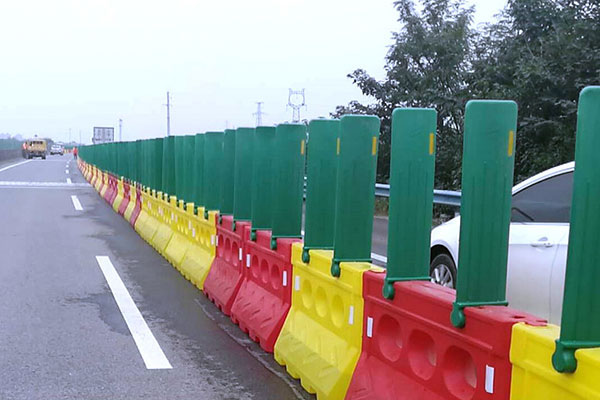
Road construction companies use water filled barriers in many situations.
1. Highway Construction
Large highway projects require lane closures and traffic channelization.
Water filled barriers help:
- Separate traffic
- Guide vehicles safely
- Protect workers
- Create temporary lanes
2. Road Maintenance
Routine maintenance projects often require short-term traffic control.
Examples include:
- Asphalt resurfacing
- Crack sealing
- Road marking
- Utility repairs
The barriers can be deployed quickly and removed immediately after work is completed.
3. Bridge Construction
Bridge projects typically involve narrow work areas where traffic must continue flowing.
Water filled barriers create safe working zones while minimizing disruption.
4. Airport Construction
Airports use water filled barriers for:
- Temporary vehicle routes
- Equipment separation
- Construction boundaries
- Pedestrian safety
5. Municipal Infrastructure Projects
Cities frequently use water filled barriers during:
- Sidewalk reconstruction
- Drainage improvements
- Sewer maintenance
- Water pipeline installation
6. Event Traffic Management
Road construction companies also rent barriers for:
- Marathons
- Festivals
- Sporting events
- Public celebrations
Materials Used
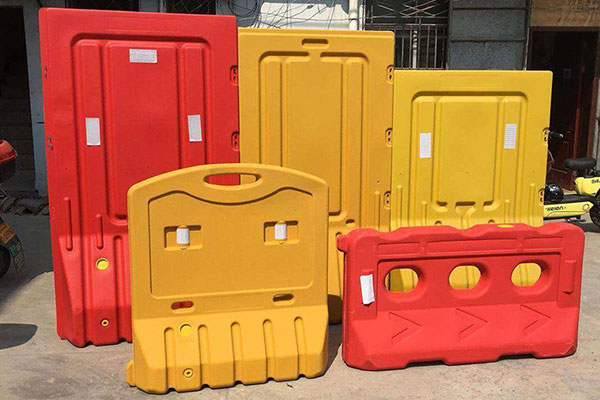
Quality water filled barriers are typically manufactured from: High-Density Polyethylene (HDPE)
HDPE offers several advantages:
- UV resistance
- Corrosion resistance
- Chemical resistance
- Impact resistance
- Long service life
The rotational molding process creates seamless construction that minimizes leakage.
Maintenance Tips
Proper maintenance extends barrier lifespan.
Recommended practices include:
- Inspect for cracks before use
- Clean after each project
- Drain before transportation
- Store out of direct sunlight when possible
- Replace damaged reflective panels
- Check drain plugs regularly
Water Filled Barriers vs. Concrete Barriers
Concrete barriers are often used for long-term, high-impact, or high-speed protection. They provide significant strength, but they are heavy, expensive to transport, and require special equipment for placement.
Water filled barriers, by contrast, are better suited for projects that require mobility, fast setup, and frequent repositioning. They are not always a direct replacement for concrete barriers, but they are often the better choice for temporary traffic control, short-term construction zones, and projects where speed and flexibility are priorities.
Frequently Asked Questions
Capacity varies by model, typically ranging from 80 to over 300 liters.
Yes. They are designed for repeated use across multiple construction projects.
Yes. Most water filled barriers feature an interlocking design that allows multiple units to be securely connected. This creates a continuous safety barrier suitable for long road construction zones, parking areas, and traffic diversions.
Water filled barriers are available in various lengths and heights to suit different traffic management applications. Common lengths include 1000 mm, 1500 mm, and 2000 mm, while heights typically range from 600 mm to 1000 mm. Custom sizes may also be available from manufacturers.
The weight depends on whether the barrier is empty or filled with water. An empty HDPE water filled barrier is lightweight and easy to transport manually, while a filled barrier can weigh anywhere from 100 kg to over 400 kg, providing excellent stability during use.
Yes. Although water is the most common filling material, some projects use sand for increased weight and stability, particularly in areas exposed to strong winds or where freezing temperatures may affect water.
With proper use and maintenance, high-quality HDPE water filled barriers can provide 5–10 years or more of service, depending on environmental conditions and usage frequency.
Conclusion
Water filled barriers are a practical, flexible, and highly visible solution for road construction companies that need temporary traffic control and work zone protection. They are easy to transport, quick to install, and adaptable to changing job site conditions.
Looking for reliable water filled barriers for your next road construction project? Roadsky provides durable, high-visibility traffic safety barriers designed for efficient work zone management, lane separation, and temporary traffic control. Contact Roadsky today to find the right water filled barrier solution for your project needs.