

What is a Wheel Chock? Types, Uses & Safety Tips
A wheel chock is a simple yet essential safety device designed to prevent vehicles from rolling unintentionally when parked, loaded, unloaded, or undergoing maintenance. Whether used for passenger cars, commercial trucks, trailers, aircraft, or construction equipment, wheel chocks provide an additional layer of protection beyond the parking brake.
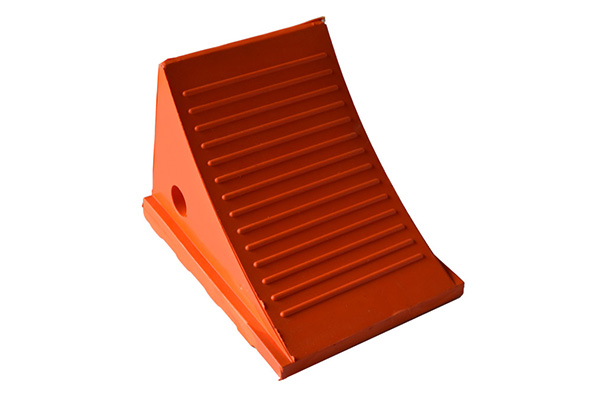
What is a Wheel Chock?
A wheel chock is a wedge-shaped safety device placed against a vehicle’s tire to prevent unintended movement. Unlike parking brakes, which rely on the vehicle’s braking system, wheel chocks create a physical barrier that blocks tire rotation.
They are widely used for:
- Trucks
- Trailers
- Buses
- Cars
- Construction machinery
- Agricultural equipment
- Aircraft
- Recreational vehicles (RVs)
- Mining vehicles
Wheel chocks are considered an essential component of workplace safety across transportation, logistics, construction, aviation, and industrial sectors.
Why Are Wheel Chocks Important?
Vehicles can move even when parked, especially during loading, unloading, maintenance, or when parked on an incline. A parking brake alone may not always provide enough protection. Wheel chocks add a physical barrier that helps keep tires in place.
Key benefits of using wheel chocks include:
- Improved safety for workers and drivers
- Reduced risk of vehicle rollaway
- Better stability during loading and unloading
- Added protection during repairs or inspections
- Safer parking for trailers, RVs, and heavy equipment
For businesses that handle fleet vehicles, warehouses, loading docks, or industrial equipment, wheel chocks are a small investment that can prevent serious accidents.
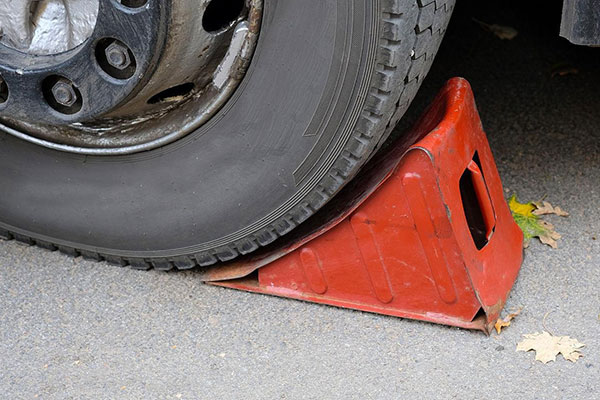
How Does a Wheel Chock Work?
A wheel chock works by creating a mechanical barrier between the tire and the ground.
When properly positioned:
- The chock is placed tightly against the tire.
- The wedge shape increases resistance as the vehicle attempts to move.
- Friction between the chock and the ground prevents sliding.
- The vehicle remains securely stationary.
For maximum effectiveness, wheel chocks should always be used on stable ground and combined with the vehicle’s parking brake whenever possible.
Common Types of Wheel Chocks
1. Rubber Wheel Chocks
Rubber wheel chocks are durable, slip-resistant, and suitable for many cars, trucks, trailers, and industrial vehicles. They offer good grip on concrete and asphalt.
2. Plastic Wheel Chocks
Plastic chocks are lightweight and easy to carry. They are often used for RVs, campers, and light-duty applications.
3. Metal Wheel Chocks
Metal chocks are strong and often used in heavy-duty or industrial environments. They can withstand rough conditions but may be heavier than rubber or plastic options.
4. Urethane Wheel Chocks
Urethane chocks are lightweight, resistant to oils and chemicals, and commonly used in commercial and industrial settings.
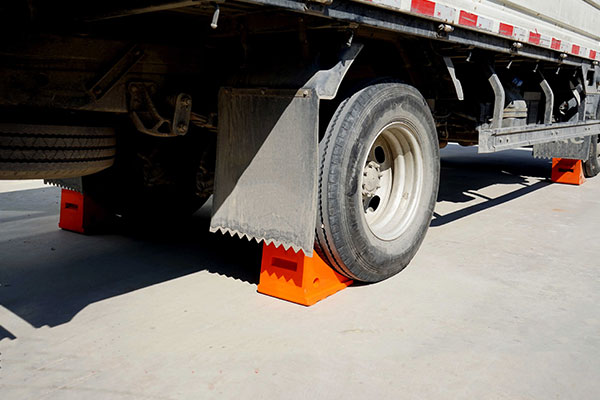
Common Uses of Wheel Chocks
Wheel chocks are used across many industries and everyday situations. Some of the most common applications include:
1. Trucks and Trailers
Truck wheel chocks are often used at loading docks to prevent trailers from moving while forklifts enter and exit. They are also useful when trucks are parked on uneven ground.
2. RVs and Campers
RV owners use wheel chocks to stabilize their vehicles at campsites. This helps prevent shifting and makes the RV feel more secure when parked.
3. Aircraft
Aircraft wheel chocks are used on runways, hangars, and maintenance areas to keep planes stationary while parked.
4. Construction Equipment
Bulldozers, loaders, lifts, and other heavy machines may require wheel chocks during storage, transport, or maintenance.
5. Automotive Repair
Mechanics use wheel chocks when lifting vehicles, changing tires, or performing under-car inspections.
How to Use Wheel Chocks Properly
To use wheel chocks safely:
- Park the vehicle and apply the parking brake.
- Place the chock firmly against the tire.
- Use chocks on the downhill side when parked on a slope.
- For added safety, chock both sides of the wheel when needed.
- Make sure the chock is centered and fully touching the tire.
- Remove chocks only when it is safe to move the vehicle.
Wheel chocks should be inspected regularly for cracks, wear, oil contamination, or deformation.
Wheel Chock Safety Tips
Follow these best practices:
- Inspect chocks before each use.
- Replace damaged or cracked chocks.
- Use the correct size.
- Engage the parking brake first.
- Chock both sides when necessary.
- Store properly after use.
Frequently Asked Questions
No. Wheel chocks should always be used in addition to the parking brake for maximum safety.
Yes. When properly positioned, wheel chocks help prevent vehicle movement on inclined surfaces. For steep slopes, always use multiple chocks and engage the parking brake.
No. Wheel chocks are available in different sizes and load capacities. Selecting the correct wheel chock based on tire size and vehicle weight is essential for safe and effective performance.
Although they serve similar purposes, a wheel chock and a wheel stop are different. A wheel chock is a portable wedge placed against a tire to prevent vehicle movement, while a wheel stop is a permanent fixture installed in parking spaces to limit how far a vehicle can roll forward.
For maximum safety, yes. Using wheel chocks on opposite sides of the tires helps prevent movement in either direction, especially on slopes or during loading and unloading operations.
Conclusion
Wheel chocks are simple yet highly effective safety devices that help prevent vehicle rollaway accidents across numerous industries. Whether used for commercial trucks, construction equipment, aircraft, forklifts, or passenger vehicles, selecting the appropriate wheel chock improves workplace safety, protects personnel, and minimizes equipment damage.