

Stanchion Post: Types, Uses, Materials, Benefits
In modern infrastructure, industrial facilities, and public spaces, maintaining safety and organization is essential. Stanchion posts are a simple yet highly effective solution for controlling movement, protecting assets, and improving operational efficiency. Whether used for crowd management, traffic guidance, or equipment protection, they offer a practical way to create safer and more organized environments.
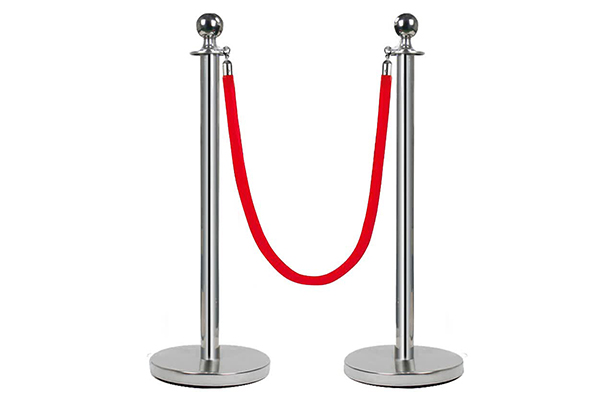
What is a Stanchion Post?
A stanchion post is a vertical structural post designed to support barriers, guide pedestrian or vehicle traffic, define restricted areas, or protect equipment and infrastructure. Depending on its design and intended application, it can be installed as a permanent or temporary safety solution in locations such as transportation hubs, construction sites, warehouses, manufacturing plants, parking facilities, and commercial buildings.
Stanchion posts are available in various materials, including steel, stainless steel, aluminum, and polymer, allowing them to meet different environmental conditions and performance requirements. Their versatility, durability, and ease of installation make them an essential component in modern safety, traffic management, and industrial protection systems.
What Are Stanchion Posts Used For?
Stanchion posts have a wide range of applications across different industries.
1. Crowd Control and Queue Management
One of the most common uses of stanchion posts is managing pedestrian movement. Retractable belt stanchions and rope stanchions are often installed in:
- Airports
- Train stations
- Banks
- Museums
- Hotels
- Event venues
- Retail stores
They help create organized queues, improve customer flow, and maintain safety during high-traffic situations.
2. Road Safety and Traffic Management
In road and highway environments, stanchion posts are used as part of traffic control systems. They can support:
- Safety barriers
- Reflective signs
- Delineators
- Temporary traffic control equipment
- Pedestrian protection systems
High-strength stanchion posts help improve visibility and reduce risks in areas such as construction zones, parking areas, and road work sites.
3. Industrial and Warehouse Protection
Industrial facilities use heavy-duty stanchion posts to protect:
- Machinery
- Storage racks
- Loading docks
- Electrical equipment
- Pedestrian walkways
Steel stanchion posts can absorb impacts from forklifts and vehicles, helping prevent costly damage and improving workplace safety.
4. Construction Site Applications
Construction sites often require temporary safety solutions. Stanchion posts can be used for:
- Temporary barriers
- Restricted access zones
- Safety perimeter marking
- Worker protection areas
Their portability and durability make them suitable for changing construction environments.

Types of Stanchion Posts
Different applications require different designs. Common types include:
1. Fixed Stanchion Posts
Fixed stanchion posts are permanently installed into the ground or a structural surface.
Features:
- High stability
- Strong impact resistance
- Long service life
- Suitable for permanent safety systems
Common applications include industrial protection, road safety, and security barriers.
2. Removable Stanchion Posts
Removable stanchions are designed for areas where access requirements change frequently.
Advantages:
- Easy installation and removal
- Flexible traffic management
- Convenient maintenance
They are often used in parking areas, public spaces, and temporary events.
3. Retractable Belt Stanchion Posts
Retractable belt stanchions feature a spring-loaded belt mechanism that extends and retracts automatically.
They are popular for:
- Airport check-in areas
- Retail queues
- Exhibition halls
- Public service counters
They provide a clean appearance while allowing quick adjustment of pedestrian routes.
4. Safety Stanchion Posts
Safety stanchion posts are designed specifically for protection and impact resistance.
Typical materials include:
- Steel
- Stainless steel
- Aluminum
- Reinforced polymer
They are commonly used around machinery, loading zones, and high-risk areas.
5. Flexible Stanchion Posts
Flexible stanchion posts are designed to bend or absorb impact instead of breaking.
They are useful for:
- Parking lots
- Roadside guidance
- Temporary traffic systems
Their flexibility helps reduce damage after accidental vehicle contact.
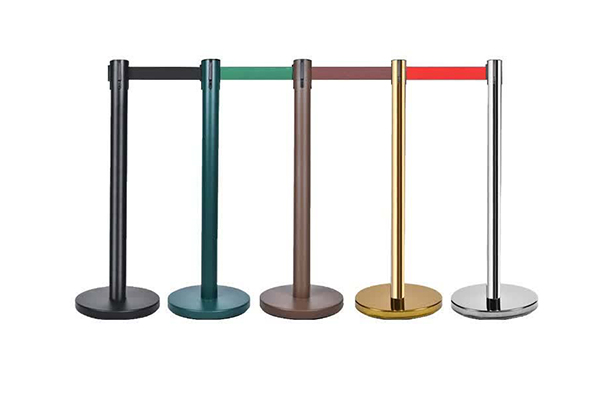
Common Materials Used for Stanchion Posts
1. Steel Stanchion Posts
Steel is one of the most widely used materials because of its:
- High strength
- Excellent durability
- Impact resistance
- Cost effectiveness
Galvanized steel stanchions provide additional corrosion protection for outdoor environments.
2. Stainless Steel Stanchion Posts
Stainless steel stanchions offer:
- Premium appearance
- Excellent corrosion resistance
- Easy cleaning
- Long lifespan
They are often used in airports, hotels, shopping centers, and commercial buildings.
3. Aluminum Stanchion Posts
Aluminum stanchions are:
- Lightweight
- Corrosion resistant
- Easy to transport
They are suitable for temporary installations and indoor applications.
4. Plastic or Polymer Stanchion Posts
Plastic stanchions are economical and lightweight. They are commonly used for:
- Temporary crowd control
- Events
- Indoor guidance systems
Stanchion Post vs Bollard: What Is the Difference?
Although stanchion posts and bollards are sometimes confused, they have different typical uses.
| Feature | Stanchion Post | Bollard |
|---|---|---|
| Main purpose | Guidance, separation, support | Vehicle protection and security |
| Common locations | Queues, barriers, walkways | Roads, buildings, restricted areas |
| Design | Usually lighter and thinner | Usually heavier and stronger |
| Applications | Crowd control and safety systems | Anti-ram and security protection |
In some cases, heavy-duty stanchion posts may perform similar protective functions as bollards.
Benefits of Using Stanchion Posts
Improved Safety
Stanchion posts create clear boundaries and reduce accidents by separating people, vehicles, and hazardous areas.
Better Organization
They help control movement efficiently in crowded environments.
Cost Efficiency
Durable materials reduce replacement frequency and long-term maintenance costs.
Flexible Applications
Available in many designs, stanchion posts can be customized for different industries.
How to Maintain Stanchion Posts
Proper maintenance extends service life.
Recommended practices include:
- Inspect posts regularly for damage or corrosion.
- Check mounting points and fasteners.
- Replace damaged reflective materials.
- Repair or replace severely damaged components.
Conclusion
A stanchion post is a versatile safety and management solution used in transportation, construction, industrial, and public environments. Whether for crowd control, traffic management, equipment protection, or pedestrian guidance, the right stanchion post can improve safety, efficiency, and organization.