

Why Are Traffic Cones Orange? The Main Reasons
Traffic cones are one of the most recognizable pieces of traffic safety equipment on roads, construction sites, parking areas, and public spaces. While cones are available in several colors, orange is by far the most common.
So, why are traffic cones orange? The main reason is visibility. Bright orange stands out clearly against roads, vehicles, buildings, vegetation, and many other backgrounds. It quickly alerts drivers and pedestrians that they are approaching a temporary hazard, work zone, or restricted area.
In this article, we will explain why orange became the standard color for traffic cones and how cone color helps improve road safety.

Why is Orange Used for Traffic Cones?
Orange traffic cones are designed to attract attention quickly. Roads are visually complex environments filled with vehicles, signs, pavement markings, buildings, and changing weather conditions.
A bright orange cone provides strong visual contrast in many of these situations.
Orange is especially effective because it:
- Is highly noticeable during daylight
- Contrasts well with gray and black pavement
- Is uncommon in the natural roadside environment
- Is widely associated with construction and temporary hazards
- Can be combined with reflective collars for nighttime visibility
Because of these advantages, orange has become closely associated with temporary traffic control.
Orange is a High-Visibility Color
One of the most important reasons traffic cones are orange is their high visibility.
Drivers often need to identify road hazards within a very short period of time. A highly visible color gives drivers more time to recognize a work zone, lane closure, obstacle, or change in traffic direction.
Orange provides strong contrast against common road surfaces such as:
- Asphalt
- Concrete
- Gravel
- Grass
- Roadside barriers
This helps traffic cones remain noticeable from a reasonable distance.
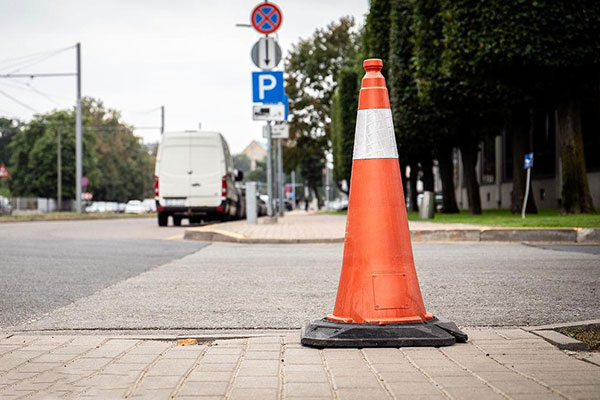
However, color alone is not enough in every condition. For nighttime use, traffic cones are commonly equipped with retroreflective collars that reflect vehicle headlights back toward the driver.
Orange Indicates Temporary Traffic Control
Different colors are frequently used in safety environments to communicate different types of information.
Orange is commonly associated with temporary traffic control, road construction, maintenance, and work zones.
When drivers see orange equipment around a roadway, they generally understand that something unusual is happening ahead.
Orange traffic cones may indicate:
- Road construction
- Lane closures
- Maintenance work
- Temporary traffic diversions
- Road hazards
- Utility work
- Parking restrictions
- Accident scenes
This consistent use makes orange an effective visual warning signal.
Are All Traffic Cones Orange?
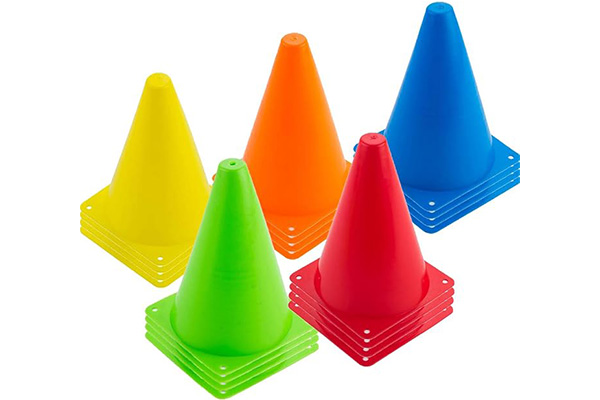
No. Traffic cones can be produced in many colors depending on their intended application.
Some commonly available colors include:
| Cone Color | Common Application |
|---|---|
| Orange | Roadwork and temporary traffic control |
| Yellow | General caution or hazardous areas |
| Red | Restricted areas or specific hazards |
| Blue | Special-purpose areas or facility management |
| Green | Designated areas or access guidance |
| White | Parking, events, or general traffic guidance |
The exact meaning of cone colors can vary between facilities, organizations, and countries.
For public road traffic control, however, orange remains the most widely recognized cone color.
What Makes a Good Orange Traffic Cone?
Color is only one factor when selecting traffic cones.
A reliable traffic cone should also provide sufficient stability, durability, and visibility for its working environment.
Important features include:
1. Bright Color
The cone should maintain a strong orange appearance that remains clearly visible after prolonged outdoor use. UV-resistant materials can help reduce fading caused by sunlight.
2. Reflective Collars
For nighttime or low-light environments, reflective collars significantly improve cone visibility.
3. Stable Base
Traffic cones used near moving vehicles should have sufficient base weight to resist wind and disturbances caused by passing traffic.
4. Durable Material
PVC and flexible plastic materials are commonly used because they can withstand impacts and outdoor conditions.
5. Suitable Height
Traffic cones are available in different heights depending on the application. Larger cones are generally easier for drivers to see from longer distances and may be preferred for higher-speed roads.
Where Are Orange Traffic Cones Used?
Orange traffic cones are extremely versatile and can be used in many temporary traffic-control situations.
Common applications include:
- Highway construction projects
- Road maintenance
- Parking lots
- Airports
- Warehouses
- Schools
- Factories
- Utility projects
- Sporting events
- Emergency scenes
They may be used individually or together with traffic barriers, delineator posts, warning lights, and temporary traffic signs.
Why Traffic Cone Visibility Matters
The purpose of a traffic cone is simple: help road users notice and avoid hazards.
Poorly visible traffic-control equipment can reduce the amount of time drivers have to react. High-visibility orange traffic cones help clearly define work areas and guide traffic through temporary changes.
For nighttime projects, traffic cones with appropriate reflective collars provide additional visibility when illuminated by vehicle headlights.
Proper traffic cone placement is also important. Even highly visible cones must be positioned at suitable distances and intervals to give drivers enough time to understand the traffic pattern.
Conclusion
Now you know why traffic cones are orange. The color provides excellent visibility, contrasts strongly with typical road environments, and has become widely recognized as a symbol of temporary roadwork and traffic control.
For road construction, parking management, maintenance projects, and other traffic-control applications, choosing durable and highly visible traffic cones is essential for creating a safer working environment.